November 4, 2026
Commercial heating, ventilation, and air conditioning equipment represents a critical asset influencing tenant comfort, indoor air quality, regulatory compliance, and daily operations. Over extended periods of continuous use, commercial furnaces, rooftop units, and hydronic chillers endure thermal strain, mechanical vibration, and material fatigue that degrade reliability. Facility managers frequently face the difficult dilemma of deciding whether recurring issues signal minor maintenance needs or impending breakdown. Partnering with an experienced commercial HVAC service provides building operators with an objective diagnostic framework to evaluate aging machinery, allowing leadership to avoid disruptions and embrace proactive lifecycle management.
Review Historical Records
Every legacy climate system possesses an operating background revealing far more about equipment condition than a simple visual walkthrough. Commercial machinery accumulates extensive records over years of service, including startup reports, filter replacements, and component overhauls. When assessing legacy machinery, taking time to review historical records establishes a solid foundation by showing whether previous operators resolved mechanical problems properly or relied on temporary patches. According to SkillCat, commercial HVAC equipment typically receives routine maintenance every three to six months, whereas residential units generally operate on an annual service schedule. Evaluating whether past personnel maintained this regular schedule helps technicians understand underlying wear patterns and distinguish between isolated defects and widespread deterioration.
During this preliminary review, a qualified commercial HVAC service examines work orders, equipment logs, refrigerant records, and submittal sheets to spot chronic vulnerabilities. Technicians track recurring motor burnouts, repetitive compressor faults, and ongoing coil issues, flagging units requiring frequent intervention. They examine air balancing reports, heat pump repairs, and boiler water treatments to gauge how operational stressors shaped equipment health. Compiling these records provides clear insight into whether a mechanical unit delivers dependable utility or has reached the end of its design life.
Inspect Mechanical Components
Continuous operation places mechanical stress on heavy commercial machinery as internal parts contend with constant friction, thermal expansion, and harmonic vibration. When field specialists inspect mechanical components, they assess structural integrity to verify that physical wear does not jeopardize reliable indoor comfort or safe building occupancy. Assemblies such as centrifugal blowers, fan shafts, heavy bearings, and internal compressor hardware sustain extended runtime, wearing down even under proper lubrication protocols. Identifying metal fatigue, micro-fissures, and corrosion before sudden component seizure prevents broader shutdowns, protects connected equipment from damage, and maintains safe conditions for occupants.
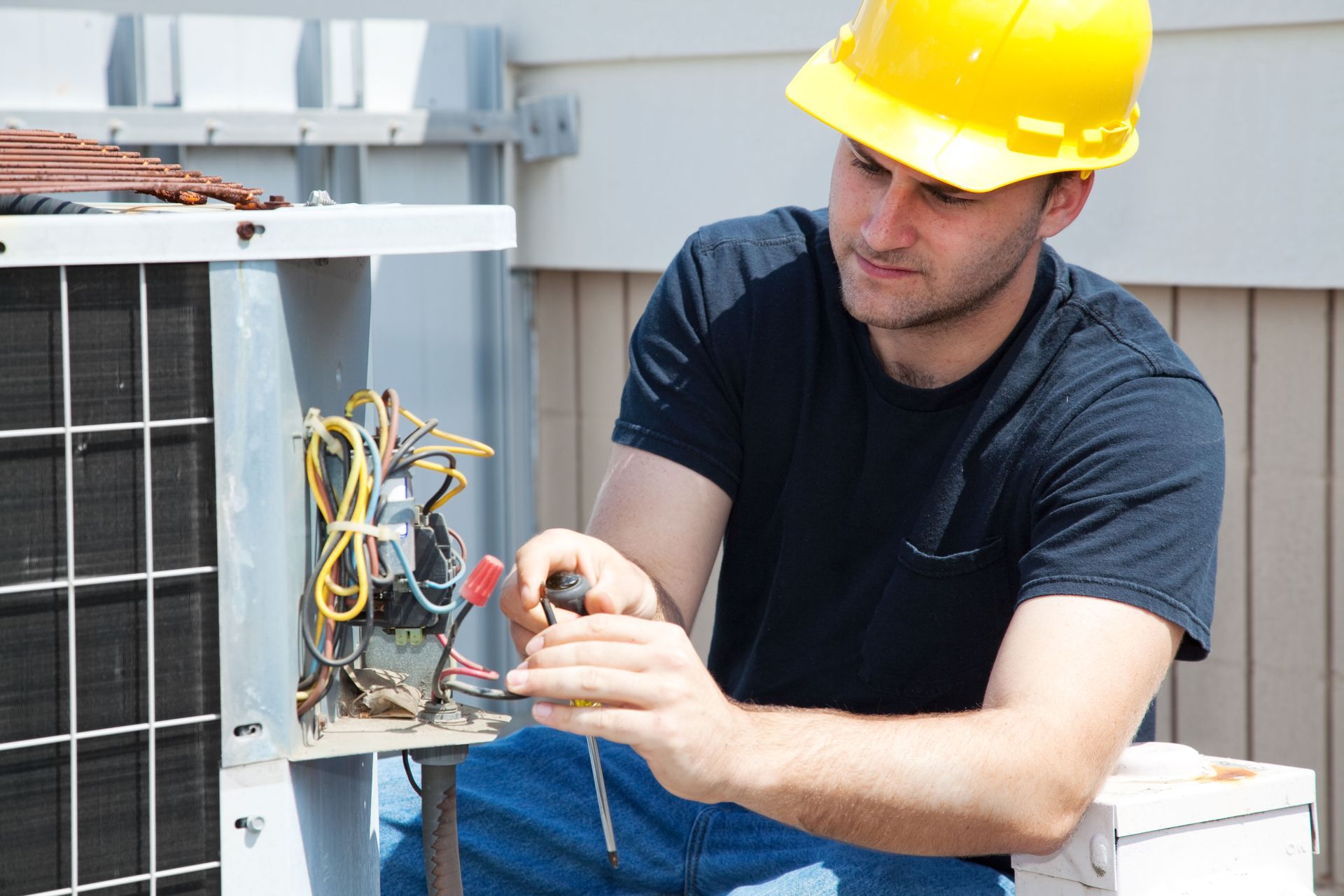
To conduct an exhaustive physical evaluation, an established commercial HVAC service deploys precision diagnostic instruments alongside hands-on examinations. Technicians monitor vibration levels across blower housings and motor mountings to detect bearing wear, rotor imbalance, and shaft misalignment before these defects produce audible noise. They examine cooling coils for tube degradation and damaged fins, while checking commercial heat exchangers for hairline cracks that could permit combustion byproducts to enter the airstream. Specialists check outdoor dampers for binding linkages, evaluate casing insulation for moisture, and verify that rust has not compromised structural stability.
Test Electrical Systems
The internal wiring and controls within heavy commercial equipment function as a vital network, directing power and synchronizing operation across motors, compressors, and ventilation modules. Over long operating cycles, electrical hardware experiences degradation from repeated temperature swings, mechanical vibration, and electrical arcing across contact surfaces. Technicians systematically test electrical systems to detect hidden safety hazards, eliminate unexpected power trips, and protect sensitive electronic controls from irregular voltage spikes. Basic continuity checks prove inadequate for mature installations, as severe issues like high resistance junctions stay hidden until component failure occurs.
To identify these hidden hazards, a dependable commercial HVAC service conducts electrical evaluations under full load conditions using specialized diagnostic equipment. Field technicians apply infrared thermal imaging cameras to inspect main disconnects, magnetic contactors, and high-voltage connections, locating hotspots caused by loose terminals or eroded contact faces. They utilize megohmmeters to test insulation resistance on compressor and blower motor windings, detecting insulation breakdown before an internal short circuit ruins the motor core. Technicians evaluate running amperage against factory nameplate ratings, measure incoming phase voltage balance, and confirm that electrical supply characteristics remain within manufacturer safety thresholds.
Measure Operational Efficiencies
As commercial heating and cooling equipment approaches advanced age, thermodynamic output and airflow performance decline, forcing the system to consume substantially more electrical energy. Building occupants rarely notice this degradation because the equipment may still achieve target room temperatures, obscuring the reality that compressors and supply fans run prolonged cycles to compensate for lost capacity. When comprehensive evaluations measure operational efficiencies, they eliminate conjecture by uncovering the performance gap between original design capacity and real-world energy consumption. Measuring this drop provides facility decision-makers with concrete metrics showing how much extra power an aging installation draws to sustain standard indoor conditions.
To capture these vital efficiency metrics, a dedicated commercial HVAC service benchmarks dynamic airflow and thermal measurements directly against baseline design engineering standards. Technicians utilize digital manometers to evaluate static pressure and air volume delivery across supply ductwork, determining whether dirty internal coil surfaces, duct separation, or worn fan assemblies restrict ventilation delivery. Specialists attach precision digital gauges and surface temperature probes to measure refrigerant superheat, subcooling, and temperature splits across evaporator coils, verifying compressor efficiency and expansion valve behavior. Connecting heat exchange calculations with power consumption readings allows the assessment team to define true operating efficiency, providing an accurate evaluation of performance decline.
Assess Financial Liabilities
Evaluating aging mechanical infrastructure requires an operational perspective weighing equipment condition against organizational risk. Retaining outdated cooling units, aging boilers, or degraded air handlers introduces significant liabilities, driven by escalating emergency service interventions, expanding energy waste, and the difficulty of locating obsolete parts. Facility managers must assess financial liabilities to determine whether cumulative maintenance commitments and unscheduled downtime risks outweigh the investment required for modern replacement equipment. Viewing legacy mechanical assets through a risk-management lens ensures facility leaders allocate capital resources wisely rather than sinking reserves into units that have outlived practical utility.
To bring clarity to this executive decision, an analytical commercial HVAC service develops a lifecycle assessment detailing the true organizational impact of maintaining aging units. This evaluation reviews past repair patterns, projects upcoming mechanical vulnerabilities, and quantifies energy penalties caused by inefficient operation and regulatory refrigerant phase-outs. The evaluation also reviews secondary business risks, such as lost tenant productivity, compromised indoor environments, or inventory damage resulting from sudden mechanical failure during extreme weather events. Presenting these operational liabilities alongside equipment health data empowers leadership to make confident choices regarding continued maintenance versus capital replacement.
Recommend Optimal Solutions
After completing mechanical inspections, electrical diagnostics, energy measurements, and operational risk reviews, the objective shifts toward translating technical data into an actionable engineering strategy. Facility executives gain little value from raw diagnostic charts or isolated lists of worn components; they need clear options aligned with long-term building operations and organizational goals. Specialists who recommend optimal solutions synthesize diagnostic findings into practical paths, ranging from targeted mechanical overhauls to full turnkey equipment replacements. Providing well-grounded recommendations prevents hasty emergency decisions and ensures building owners implement measures that restore operational reliability, enhance ventilation quality, and support long-term building comfort.
When delivering final engineering guidance, a professional commercial HVAC service presents prioritized alternatives tailored to the specific operational demands of the commercial facility. If central structural casings, coils, and primary electrical circuits remain robust, technicians may advise targeted upgrades such as retrofitting variable frequency drives, replacing worn blower motors, or installing advanced filtration systems. If machinery has exceeded its useful lifespan and poses ongoing operational risks, the advisory team outlines a comprehensive turnkey modernization plan complete with heating and cooling load calculations, high-efficiency equipment configurations, and organized installation staging to prevent business interruption. This structured guidance gives commercial property managers total clarity on the most effective path forward.
Managing aging commercial heating and cooling infrastructure requires replacing guesswork with an objective, data-driven evaluation strategy. When facility decision-makers understand how historical maintenance trends, mechanical wear, electrical integrity, energy metrics, and operational risks affect their property, they can make informed choices that protect facility operations and eliminate disruptive downtime. Contact us at Robertson Heating and Air today to evaluate your mechanical assets and design a dependable path forward for your business.